

As the wedding season approaches, many couples prepare their unique weddings with high expectations, only to end up with a monotonous experience. According to surveys of the wedding industry in multiple regions, over 70% of weddings suffer from "aesthetic homogenization," leaving guests with no memorable moments and couples struggling to find their own unique happiness. In today's increasingly sophisticated wedding services, wedding props, which should enhance the atmosphere and showcase individuality, have instead become the core culprits lowering the quality of the wedding and diminishing its sense of ceremony.
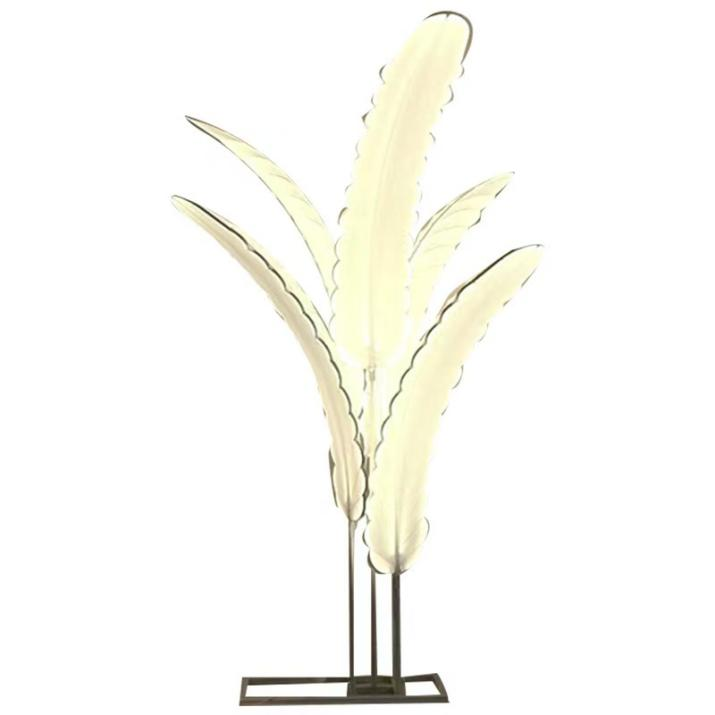
Mass-produced props flood the market, turning weddings into "copy-and-paste" events.
Visiting various wedding venues reveals that trendy forest-themed floral arrangements, identical crystal chandeliers, standardized runway decorations, and mass-produced guestbook decorations dominate the vast majority of wedding scenes. To cut costs and increase sales, small and medium-sized wedding planning agencies commonly adopt a "packaged prop library" model. The same floral arrangements, lighting, and decorative props are repeatedly used in dozens of weddings, with only the color scheme changed.
This lazy approach to prop selection directly leads to a soulless wedding: whether it's a Western minimalist style or a Chinese retro style, the same aisle markers, dessert tables, and backdrops are used repeatedly. The details that should embody the couple's love story are replaced by cheap, mass-produced items, and the sense of ceremony is completely diluted by assembly-line props. After attending multiple weddings, guests often can't distinguish the differences between the venues, leaving only the impression of "emptiness after the excitement," and the couple's unique memories are eroded by homogenized props.
Industry infighting + misconceptions exacerbate the prop chaos.
The culprit of wedding props being blamed is the combined effect of the wedding industry's cutthroat competition and misconceptions among couples. Currently, over 90% of the domestic wedding market consists of small and micro-sized enterprises. With low barriers to entry and fierce competition, businesses constantly cut costs to seize market share, making the reuse of secondhand props and the purchase of inferior decorations commonplace, leaving no time for personalized customization.
Meanwhile, many couples fall into the trap of "easy planning," blindly following trends in online weddings and neglecting the compatibility of props with their own style and love story. They pursue grandeur at the expense of the quality and exclusivity of props, mistakenly believing that piling on trendy elements will create a dazzling wedding, ultimately resulting in a cheap and perfunctory event. Some couples even disregard the details of props until the wedding day, only to discover on the day that the props are outdated and mismatched, but by then it's too late to change anything.
Returning to the essence of emotion, props should be an "added bonus," not a "standard requirement."
The core of a wedding is to convey love and a sense of ceremony; props should be carriers of emotion, not mere filler decorations. Experienced wedding planners advise couples to avoid simply piling on props and instead streamline the quantity and quality of items. They recommend creating personalized props based on the couple's love story, such as hand-drawn love narratives, custom-made commemorative ornaments, or vintage keepsake displays, allowing details to reflect individuality.
The wedding industry also needs to move beyond price wars and abandon the assembly-line prop model. It should focus on personalized customization, using warm and creative props to enhance the atmosphere. Only by moving away from cookie-cutter prop routines and returning to the emotional essence of weddings can each wedding be unique and truly become a beautiful moment that couples will cherish for a lifetime.