

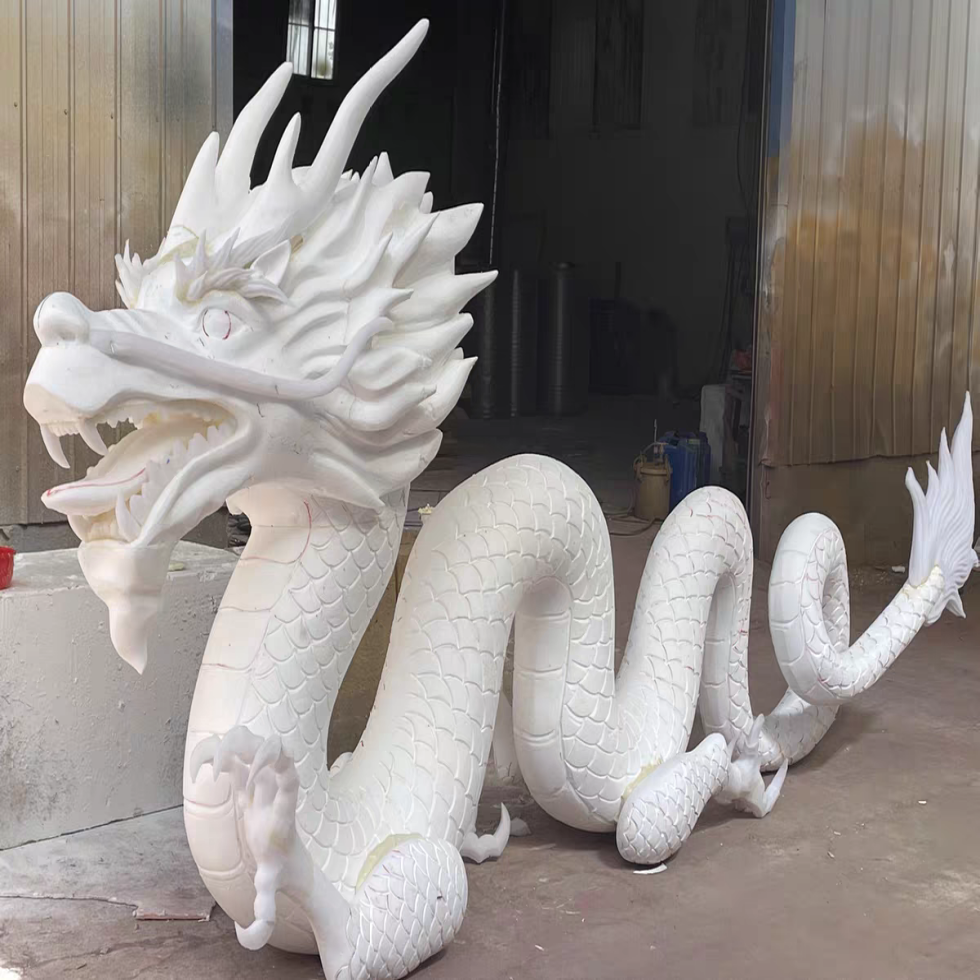
In the context of fashion, magic is never an empty illusion, but a unique quality that breaks the mundane and touches the heart. Just as Vogue magazine says, "Dragon = Magic," this magic is creativity that breaks the mold, details that etch emotions, and a ritual aesthetic unique to the individual. However, looking at the current wedding market, most couples prepare their weddings with high expectations, only to be greeted with a cookie-cutter, assembly-line event. Weddings that should be full of romance and surprises have lost their most precious "magic," degenerating into monotonous, mundane social obligations.
Wedding industry survey data shows that over 70% of weddings are trapped in a serious homogenization problem. Elements such as forest-themed floral arrangements, crystal chandeliers, and standardized decorations are repeatedly used, with prop reuse rates exceeding 65%. Only less than 20% of weddings manage to create a unique and distinctive identity. At its root, the disappearance of wedding magic is the result of a combination of template-based planning, profit-driven operations, and trend-following aesthetics. The props and scenes that should have carried romance have instead become the culprits that stifled magic.
Mass production lines are rampant, and magic has been completely swallowed by mediocrity.
In today's wedding market, the price war is intensifying. Over 90% of wedding planning agencies, in order to cut costs and increase sales, have abandoned personalized creation and instead promoted a "package wedding" model. A set of props, a set of scenes, and a set of procedures are repeatedly used, with only color schemes changed for a hasty completion. Whether it's Western minimalism, Chinese elegance, or niche retro, they all end up looking exactly the same.
The magic that *Vogue* champions is unique design tension and a sense of story in the details; while mass-produced weddings are the opposite. They lack personalized designs that reflect the couple's love story, lack creative ingenuity that showcases individuality, and only offer mass-produced cheap decorations and soulless scene pile-ups. Guests attending multiple weddings often struggle to distinguish the differences, and newlyweds fail to find their own unique romantic touch at each event. The sense of ceremony and happiness is diluted by mediocrity.
Beset by Misconceptions, Couples and Wedding Planning Agencies Lose Their Magical Essence
The lack of wedding magic is not only an industry problem but also a result of accumulated misconceptions among couples. Many blindly follow trendy weddings, equating "grand scale" and "piling up elements" with sophistication, ignoring the core of a wedding: emotional expression, not a formulaic replica. They are unwilling to invest time and effort in crafting personalized details, prioritizing convenience and ease, ultimately turning their weddings into unoriginal "trendy copycats."
Meanwhile, wedding planning agencies are mired in price wars, constantly cutting creative costs to seize market share, abandoning in-depth attention to detail and customized services, reducing weddings to assembly-line operations for quick profits, completely forgetting the romance and ceremony that a wedding should possess, allowing the magic to vanish in a profit-driven operation.
Rediscover the Magic of Weddings: Let Details Create Unique Romance
The magic of a wedding is never about piling up expensive props, but rather the fusion of emotion and creativity. Experienced wedding planners suggest that couples should abandon trendy thinking when planning their weddings, focusing instead on their own love story. They should replace mass-produced props with customized details, such as hand-drawn love stories, displays of treasured keepsakes, and niche creative installations, ensuring that every scene carries a unique memory.
The wedding industry also needs to move beyond the price wars and return to the essence of ceremony. It should use creativity and quality to create unique wedding venues, allowing weddings to regain the magical quality described in Vogue, becoming romantic moments that couples will remember for a lifetime. (Approximately 798 words)